DSIP
DSIP: Overview-Delta Sleep-Inducing Peptide (DSIP) is a synthetic nonapeptide (Trp-Ala-Gly-Gly-Asp-Ala-Ser-Gly-Glu) originally identified during investigations of endogenous peptide signaling systems. Experimental studies have examined DSIP’s interactions with peptide-mediated regulatory networks, neuropeptide-associated signaling pathways, and transcriptional control mechanisms. The peptide has been investigated for its involvement in signal transduction processes, peptide-receptor interactions, and molecular regulatory systems associated with neuropeptide biology.
Research applications include neuropeptide pharmacology, peptide-signaling pathway investigation, receptor-ligand interaction studies, signal transduction research, structure-function analysis, and mechanistic evaluation of peptide-mediated regulatory networks. Supplied as a lyophilized preparation.
TB500
TB500: Overview-TB-500, derived from the naturally occurring protein Thymosin Beta-4, is a synthetic peptide that binds to a protein called actin, which is involved in the formation of new blood vessels and the repair of damaged tissues. By binding to actin, TB-500 helps stimulate the growth of new blood vessels and promotes the formation of new tissue functions.
The ability of TB-500 to reduce inflammation and promote cell migration, proliferation, and differentiation, which can help to facilitate tissue repair and regeneration has been demonstrated in various research. It is currently studied for its potential to enhance athletic performance and improve recovery from injury.


-
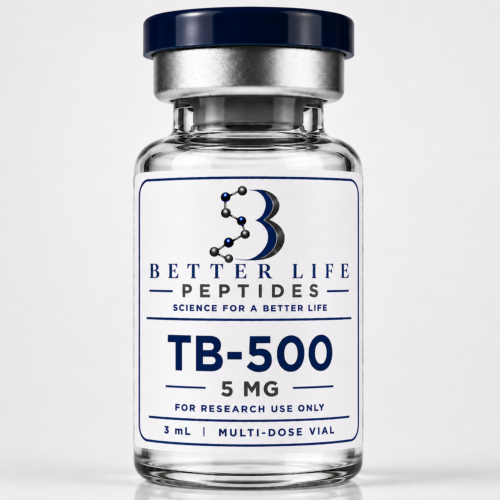 TB500: Overview-TB-500, derived from the naturally occurring protein Thymosin Beta-4, is a synthetic peptide that binds to a protein called actin, which is involved in the formation of new blood vessels and the repair of damaged tissues. By binding to actin, TB-500 helps stimulate the growth of new blood vessels and promotes the formation of new tissue functions. The ability of TB-500 to reduce inflammation and promote cell migration, proliferation, and differentiation, which can help to facilitate tissue repair and regeneration has been demonstrated in various research. It is currently studied for its potential to enhance athletic performance and improve recovery from injury.